When an articulating boom fits Memphis jobs
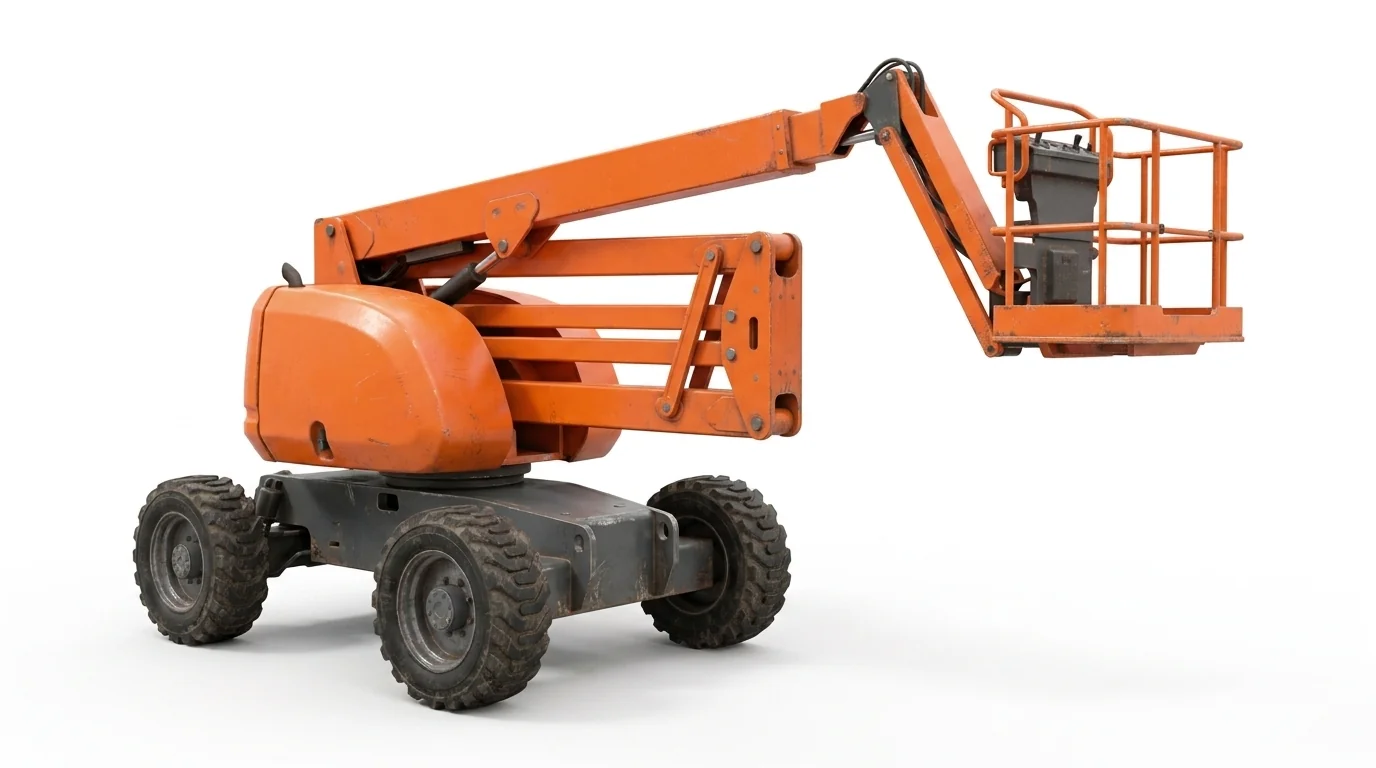
Local distribution buildings and medical production spaces pack a lot between floor and roof. The jointed boom helps clear conveyors, fire lines, and cleanroom chases where a straight boom stalls out. Indoors, electric models reduce emissions; outdoors, engine-powered units address uneven ground and wind exposure typical along open loading aprons.
Key planning questions: - Is the work point recessed behind obstructions, or directly overhead? - How far horizontally must the boom reach after clearing the obstacle? - Can the unit be staged on a finished slab, or is the surface variable and wet-prone?
Surface and weather considerations
The regional climate brings heat and humidity that can affect traction and electrical components. On exterior lots built over silty loess soils, surfaces can soften after rain. Rough-terrain packages, foam-filled tires, and oscillating axles (where specified by the model) become more relevant outdoors. On polished interior slabs, choose non-marking tires and watch overall machine weight relative to floor limits posted by the facility.
Height, outreach, and tail swing
Articulating booms trade some straight-line height for side reach and up-and-over geometry. Measure: - Platform height needed at the task - Horizontal reach after clearing the obstacle - Jib articulation if the last few feet require precise positioning - Tail swing and aisle width near racking or equipment
If the job is a direct shot to a high point on a clear apron, a straight boom may be more efficient. See: /telescopic-boom-lift-rental/.
Power type and environment
- Electric/hybrid: suited to indoor maintenance in healthcare and manufacturing areas that limit emissions and noise.
- Diesel/dual-fuel: better for open-air yards, façade work, and sites with variable terrain and wind exposure.
For strictly vertical indoor tasks without lateral obstacles, compare with /electric-scissor-lift-rental/ or compact options at /vertical-mast-lift-rental/.
Access paths and transport limits
Confirm gate widths, ramp grades, and turning radii from staging to the work zone. Many Memphis facilities have tight dock corridors or embedded rails near sortation lines; those pinch points, not the boom’s height, often set the viable model class.