Where straight booms excel locally
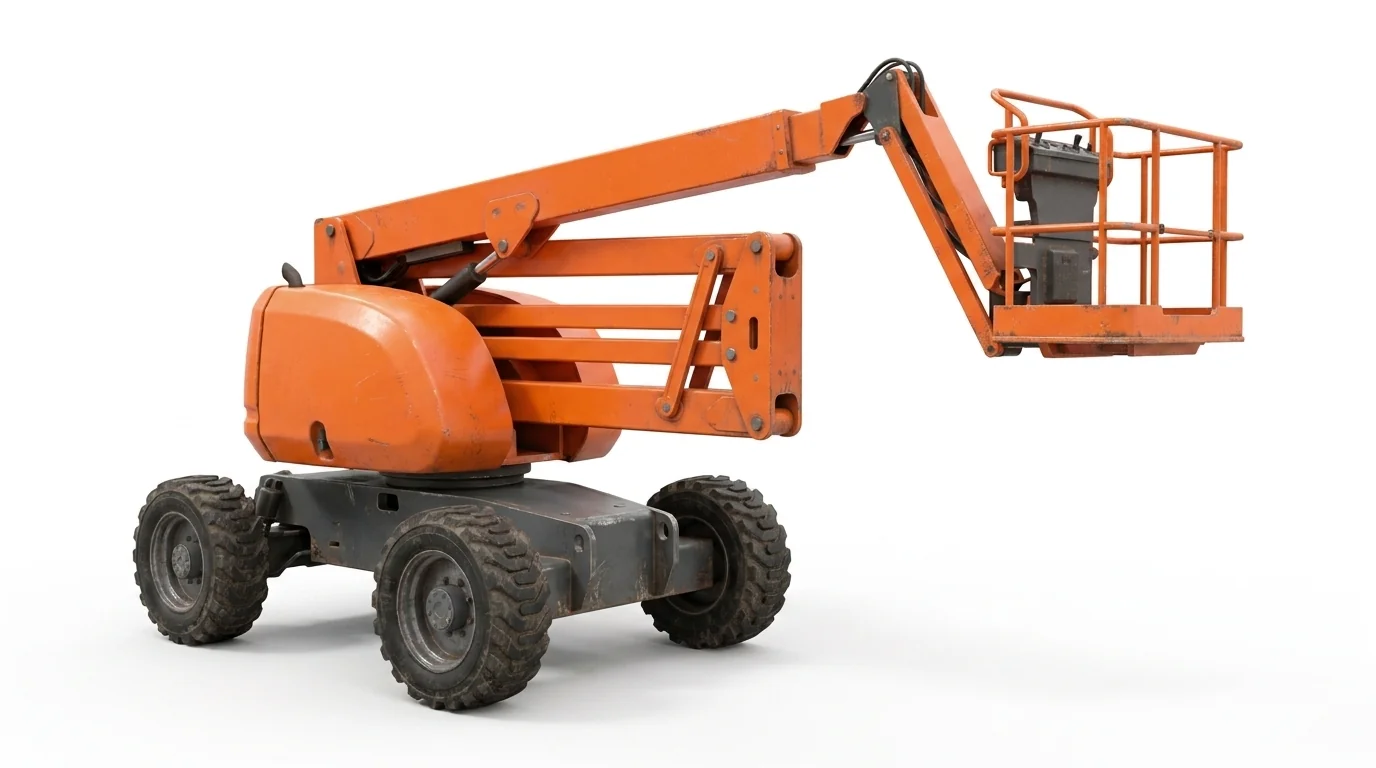
Open loading fields, barge-side yards, and long-bay roofs around local distribution and transload operations often offer unobstructed approaches. A telescopic boom covers distance efficiently from a safe staging zone without weaving through racking or ductwork.
Use case signals: - Direct approach with no need to reach back over obstacles - Long horizontal outreach to lights, signage, or upper wall panels - Repetitive exterior maintenance along a straight building elevation
If the path is blocked by conveyors, mezzanines, or recessed façades, see /articulating-boom-lift-rental/.
Ground and weather factors in Memphis
After summer storms, silty subgrades can loosen under gravel or thin asphalt. Rough-terrain capability and allowable ground pressure influence which class is realistic. Heat and humidity can affect engine cooling and hydraulic performance; select configurations rated for sustained outdoor duty in the regional climate.
Sizing by geometry and clearance
Measure before you shortlist: - Required platform height at the furthest point - Necessary horizontal reach from the staging line - Boom swing radius and counterweight clearance near traffic lanes - Minimum transport width for gates and dock corridors
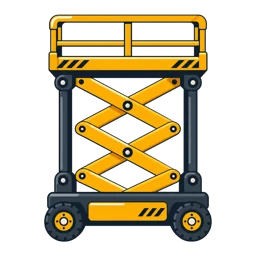
On tight interior aisles with vertical-only tasks, compare with /electric-scissor-lift-rental/ or /vertical-mast-lift-rental/.
Power options and site type
- Diesel: typical for exterior work over variable grades.
- Dual-fuel: workable on ventilated interiors with slab access.
Plan travel paths carefully. Many Memphis facilities have narrow dock aprons, embedded rails, or bollards that limit turning room long before height becomes the constraint.