Map the power and light footprint
- Can the generator or tower sit below the task, or must it straddle a lane? A curb, dock edge, or rail spur limits footprint and stabilizer positions.
- How far is the electrical load from safe placement? Longer cable runs affect voltage drop and cord management around forklifts and tuggers.
- Will lighting serve a fixed pad or move with overnight work? Static staging favors higher masts; roving tasks favor compact towable units.
Memphis conditions that change the comparison
The regional climate pushes equipment hard. Heat and humidity stress engines, sound enclosures, and electrical components, so derating and ventilation clearances matter when units are boxed between trailers or building wings. After storms, silty soils on job edges can soften; stabilizers need solid bearing and predictable compaction, especially along the bluffs and low alluvial areas. Night work near local distribution buildings also means constant cross-traffic—sightlines and glare control are part of the plan.
Generator category checkpoints
- Power quality and emissions: Many medical and lab environments expect stable output and minimal fumes. Indoor-adjacent placements often point to units with robust sound attenuation and exhaust routing.
- Runtime window: Extended night shifts around cross-docks call for fuel capacity that matches the schedule without mid-shift refueling.
- Access route: Measure gate widths, dock aprons, and turning radii among parked trailers. Note any weight limits on older pavement sections.
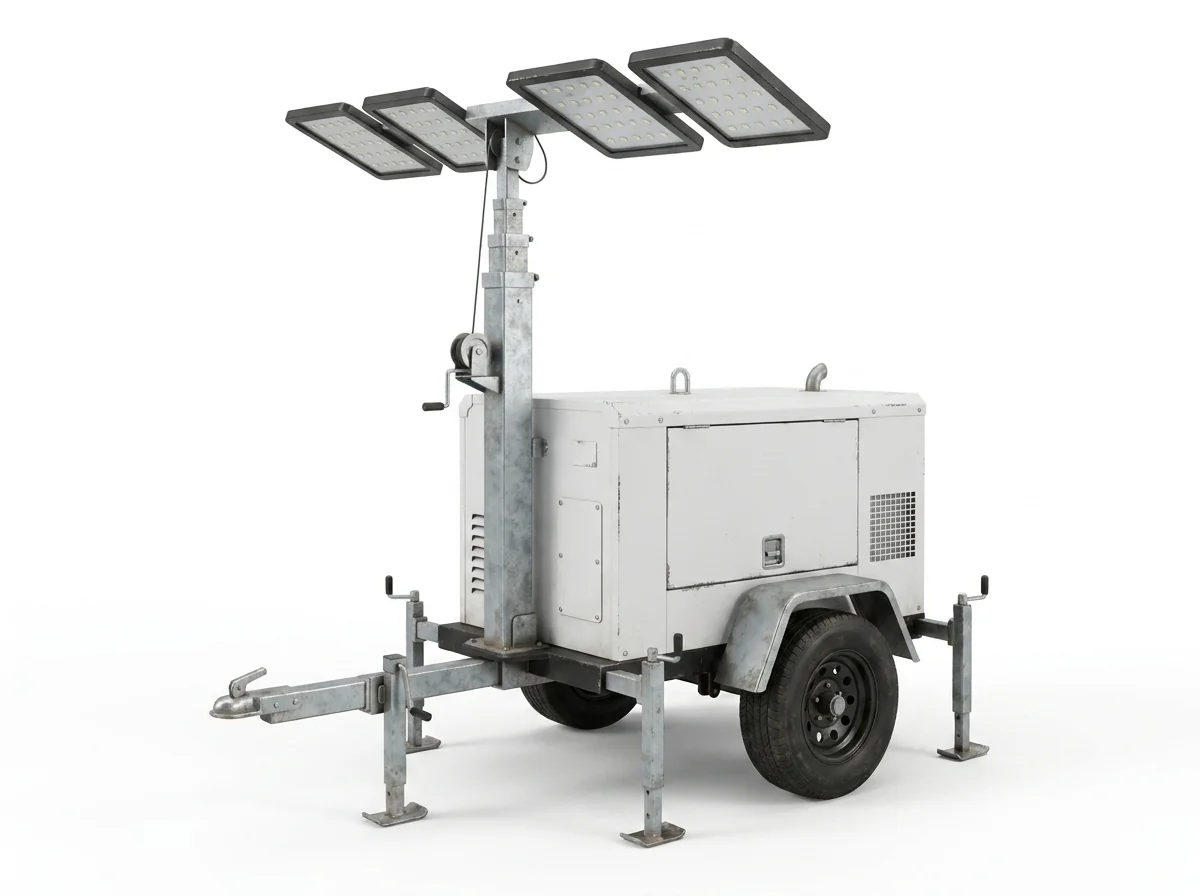
Light tower considerations
- Mast height vs. spill: Higher isn’t always better near reflective siding. Aim and shielding reduce glare into active lanes.
- Terrain rating: Yard seams and wet spots form after quick weather changes. Tires and outriggers need secure bearing, not just nominal rating.
- Power strategy: Decide if towers run off onboard gensets or a shared generator. Shared power streamlines refueling but concentrates load planning.
Coordination with aerial work
If illumination supports elevated maintenance or inventory projects, confirm working height, platform position, and ground firmness before selecting support gear. - For slab-only indoor access: see /electric-scissor-lift-rental/ - For uneven outdoor aprons or lots: see /rough-terrain-scissor-lift-rental/ - For reach above obstacles: see /boom-lift-rental/