Where vertical masts shine locally
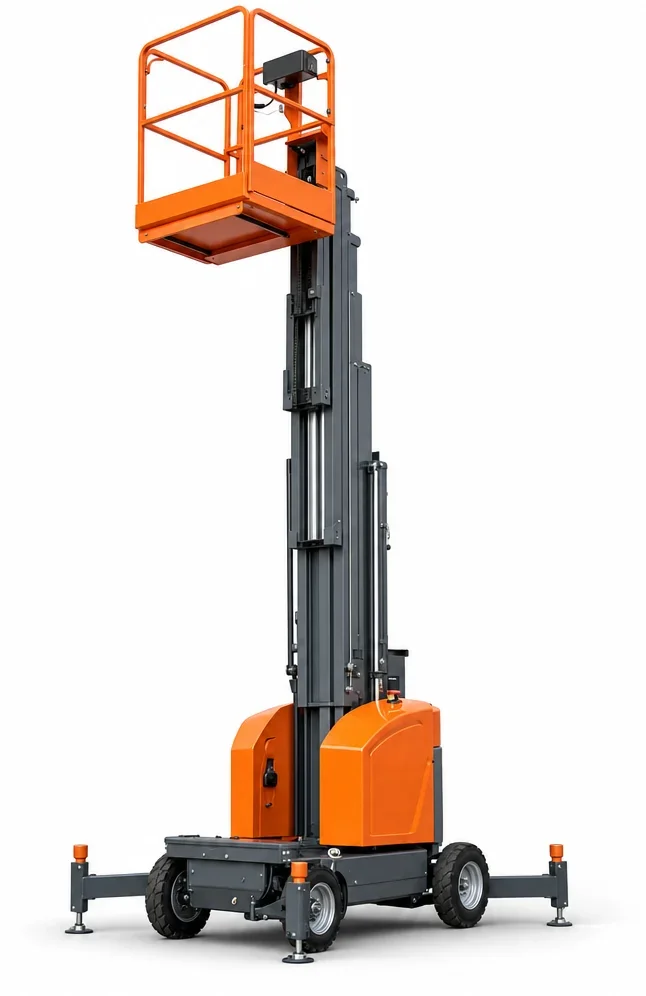
Dense storage rooms, equipment galleries, and interior corridors in Memphis facilities often limit width more than height. A vertical mast lift navigates narrow doors and turns, then elevates directly to lights, sensors, and cable trays without the side reach of a boom.
Measurements that govern the choice
- Minimum doorway and corridor width from staging to the task
- Turning radius at each corner or intersection
- Required platform height and total machine height for low ceilings
- Floor type and allowable point loading on mezzanines
Surface and environment
Polished slabs demand non-marking tires and careful attention to floor load limits. In humid conditions, entryways can collect moisture; traction on thresholds matters. For exterior spots or variable surfaces, a small /rough-terrain-scissor-lift-rental/ or /articulating-boom-lift-rental/ may be more appropriate.
When to compare with scissor or boom lifts
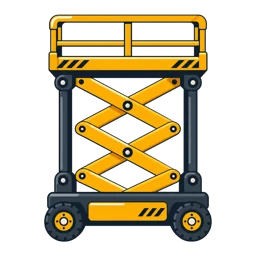
If the job needs two people and more workspace at elevation, an /electric-scissor-lift-rental/ offers a larger platform. If obstacles block a straight path to the work, see /articulating-boom-lift-rental/. For high, direct reaches outdoors, /telescopic-boom-lift-rental/ may be the better match.
Memphis climate context
The regional climate brings heat and humidity that influence indoor scheduling and battery management. Short, repeat runs with charging access suit vertical masts well inside controlled environments common to local logistics and production sites.