Memphis job patterns that shape telehandler choice
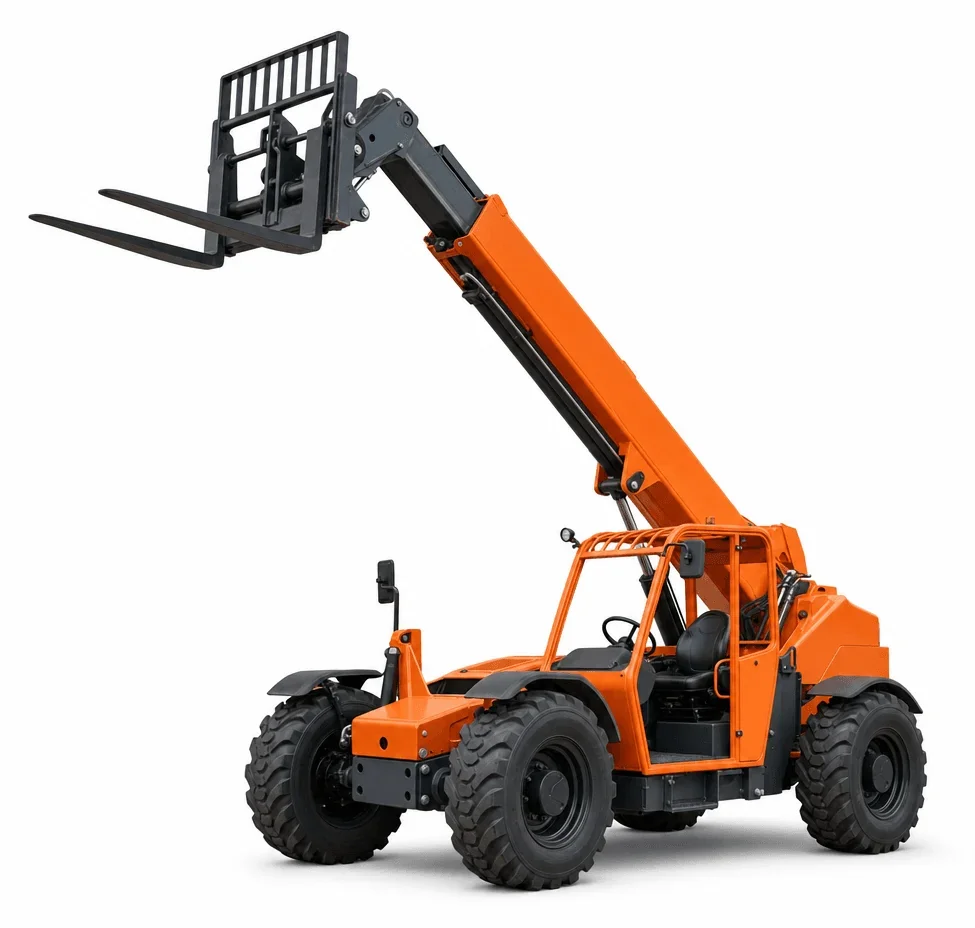
Regional logistics and fabrication work demand frequent placement of pallets, duct sections, and crate loads to mezzanines or roof edges. Tight dock alleys contrast with softer laydown areas over loess soils. That mix means ground pressure, turning radius, and visibility around traffic matter as much as headline capacity.
Key measurements before shortlisting
- Heaviest load you’ll place at maximum reach
- Placement height at the landing point
- Setback from the building due to curbs, landscaping, or safety zones
- Fork carriage type and quick-change needs for varied loads (as applicable to model options)
- Overall width for gate and aisle access
Terrain, heat, and moisture
Rain can turn surface fines to slick mud. Rough-terrain drivetrains and appropriate tires help maintain traction and stability margins. Summer heat calls attention to cooling performance during prolonged, low-speed maneuvering common on congested Memphis jobsites.
Visibility and traffic flow
Busy yards and dock courts move constantly. Cab sightlines, mirror packages, and boom placement relative to travel direction influence how easily the operator can stage loads between trucks, fencing, and bollards. Plan travel routes early to avoid blind conflicts at dock corners.
For repeated vertical access without material placement, an /aerial-lift-rental/ may fit better. For interior pallet work on finished slabs, compare with /forklift-rental/.