Placement geometry and access
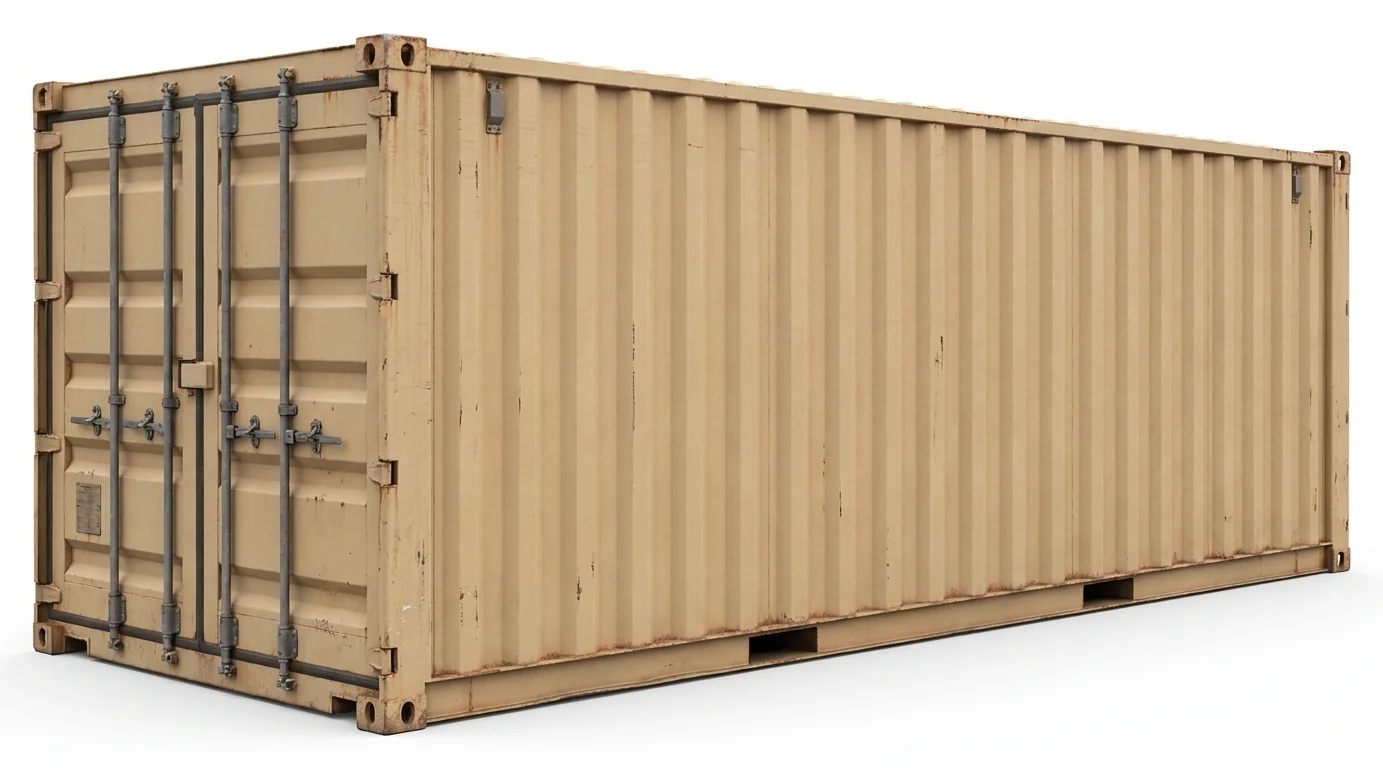
- Can the container sit flush to a dock face, or does it need side access for forklifts? Door orientation decides aisle width and turning radius.
- Will it cross soft ground to reach the pad? Wet silt and loess can rut under truck axles; plan a firm approach and bearing support under corner castings.
- Overhead and lateral clearance: Eaves, utility lines, and bollards affect tilt-bed deliveries and repositioning.
Memphis-specific conditions
- Heat and humidity: Sensitive materials, medical components, and maintenance supplies may require ventilation options and interior organization that keep aisles open and reduce heat soak.
- Storm swings: After rain, edges of lots can soften. A stable pad helps doors stay square and reduces binding.
- High-traffic lanes: Local distribution buildings run tight schedules. Containers that encroach on trailer paths or fire lanes create daily conflicts; measure before siting.
Sizing and configuration
- Standard vs. high-cube: Extra interior height helps with bulk packaging and long stock but can change placement under low canopies.
- Door type: Single end-door vs. double-side or roll-up influences how pickers or maintenance crews stage materials.
- Security and visibility: Consider lighting from /generators-light-towers-rental/ if access occurs before dawn or overnight shift changes.
Coordinating with material handling
If contents move by lift, match aisle width and floor level with the handling class. - For pallets and tight interiors: see /forklift-rental/ for class and turning references. - For uneven outdoor staging: see /telehandler-rental/ where reach over curbs or stacked pallets is required.
Ties to elevated work
When containers support facade or MEP tasks, pair the laydown with aerial access that fits the surface. - Slab interior access: /electric-scissor-lift-rental/ - Lot and yard access: /rough-terrain-scissor-lift-rental/ - Reach over obstacles: /articulating-boom-lift-rental/